a practical starting point
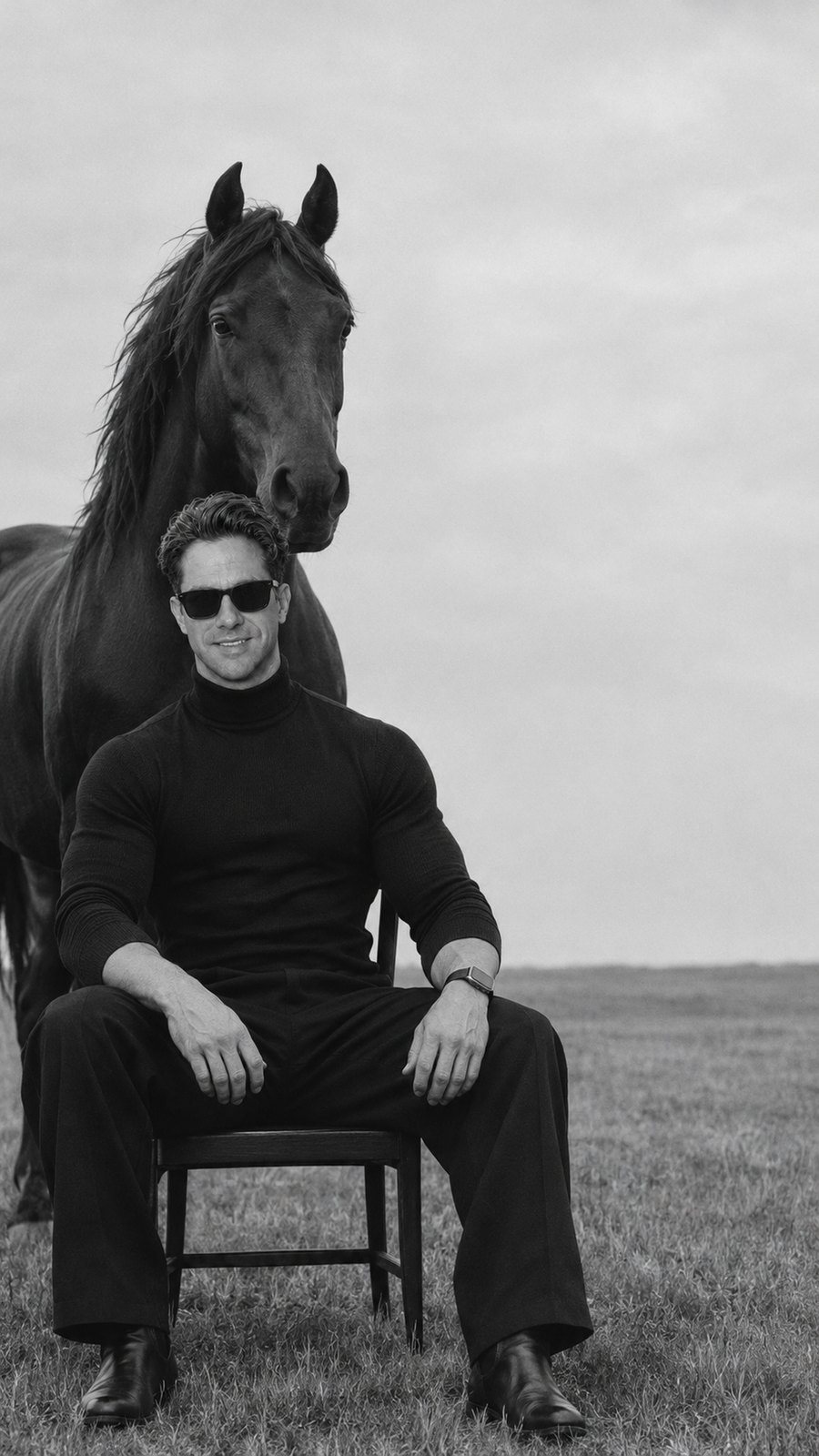
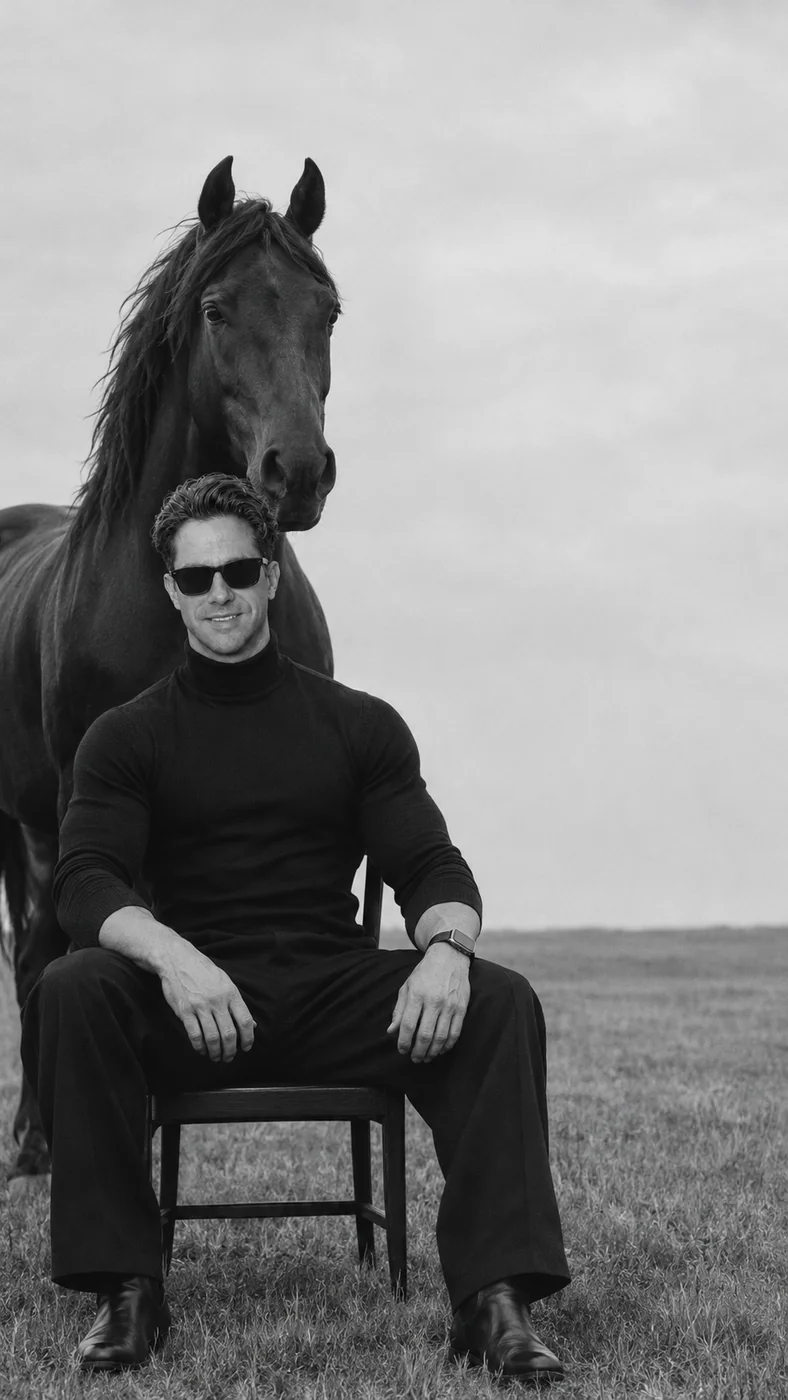
Black Horse Portrait
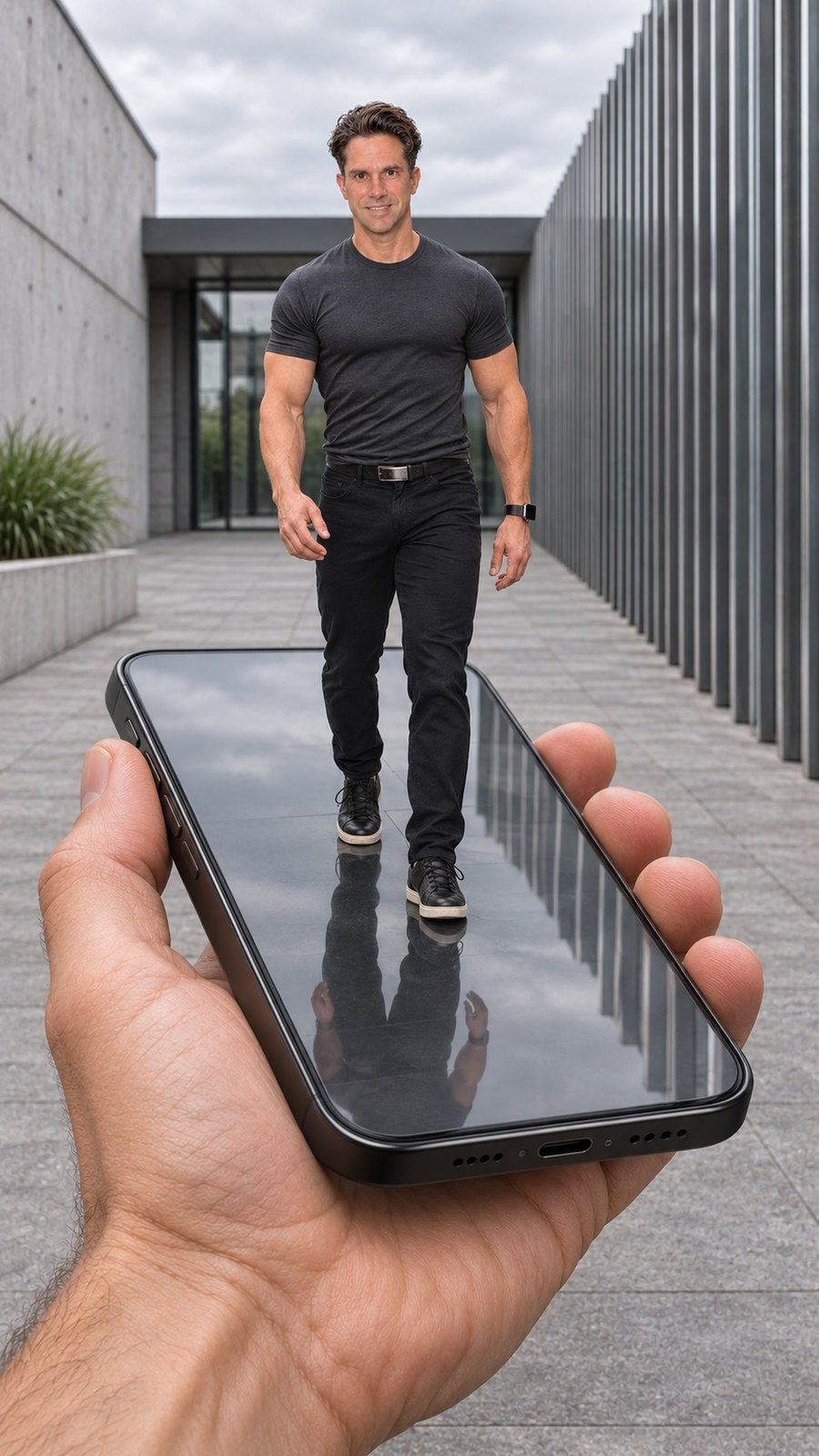
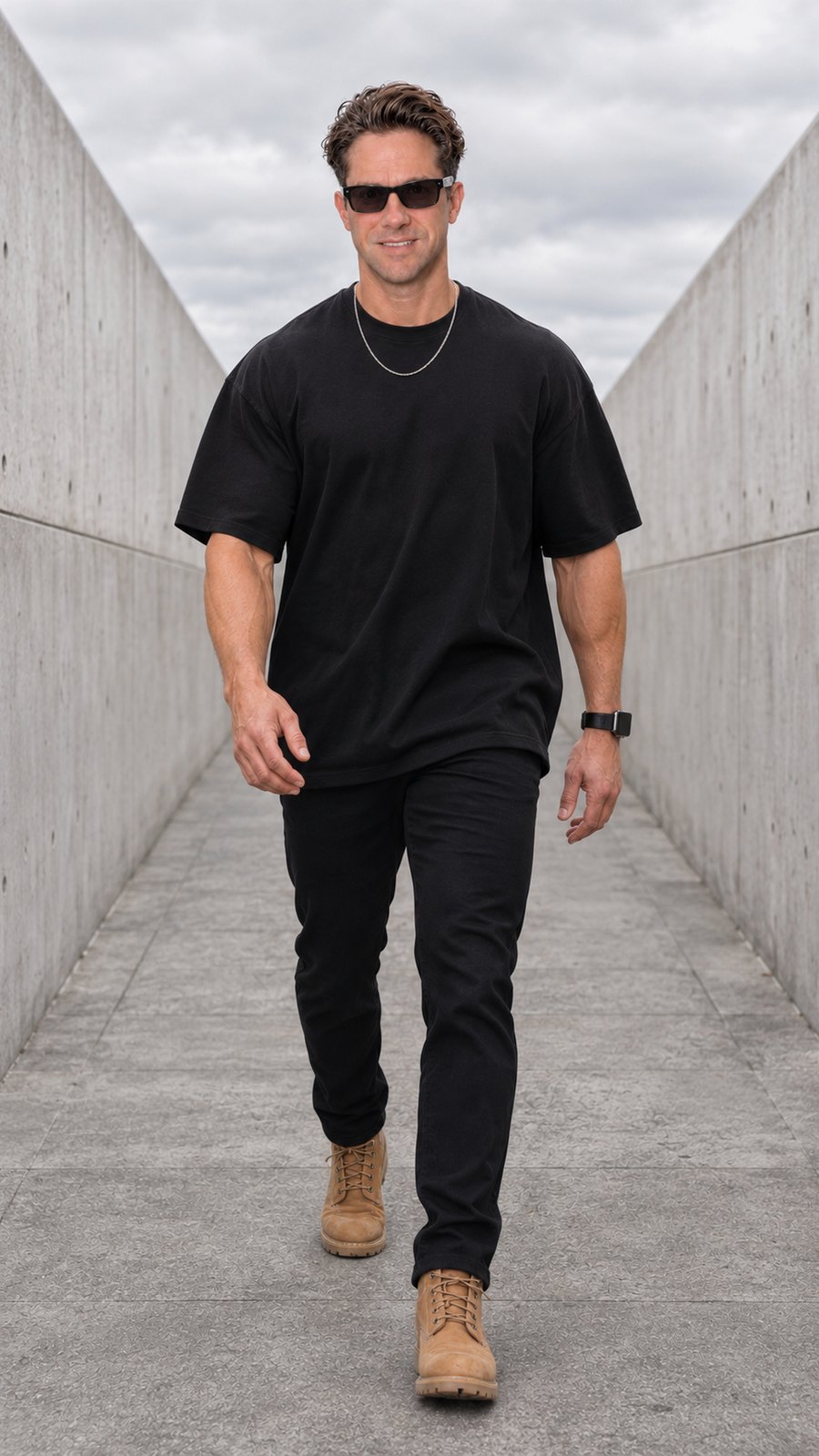
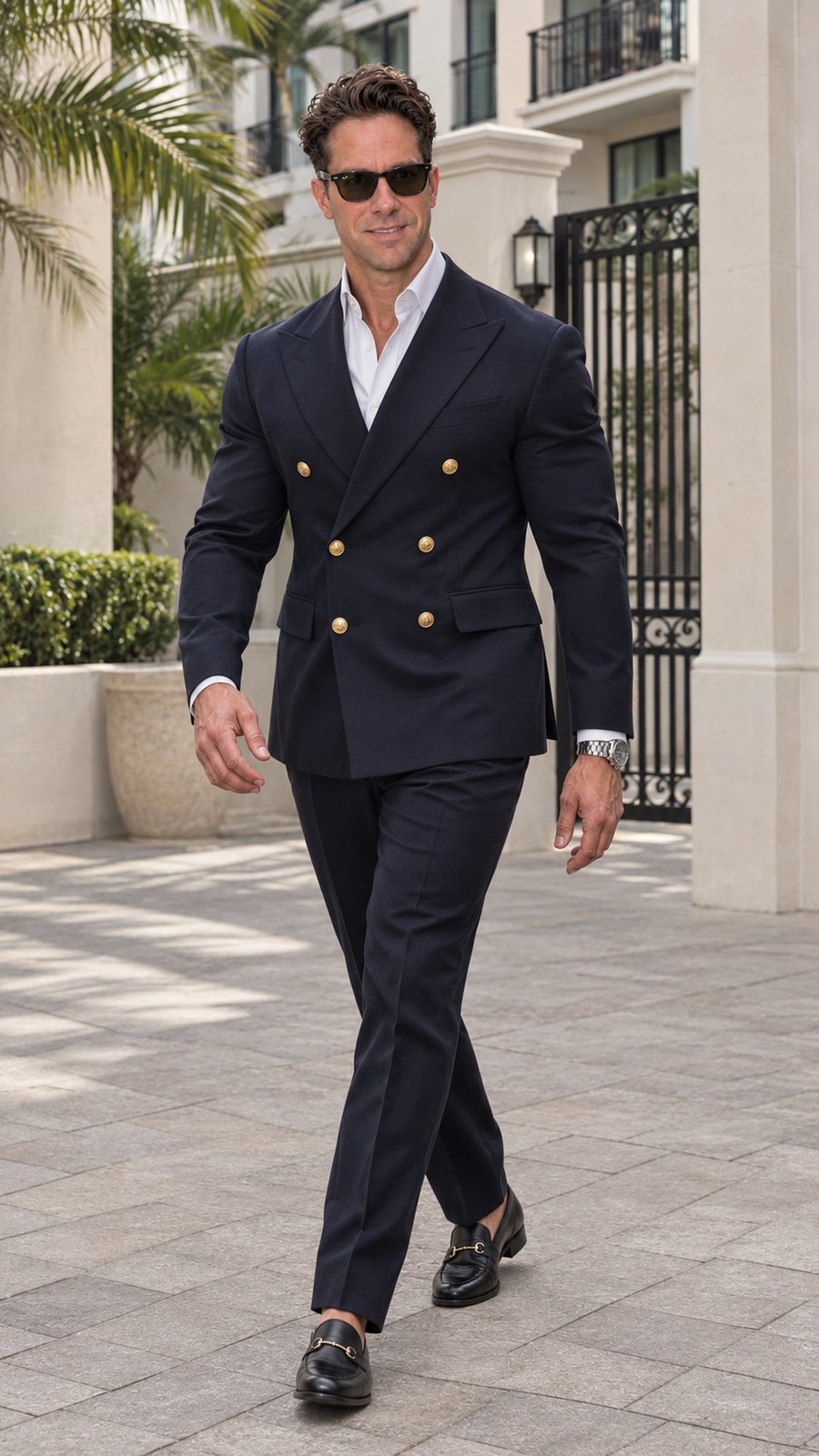
The reel moves from a city portrait to a quiet black-and-white horse scene. Use a photo of yourself as the reference and describe the entire new setting.
See the looks
Results appear in reel order. Each gallery title links to its matching full prompt. The short slash phrases in the reel name the effects; use the complete prompts below.
What you can make
- Turn a portrait into a monochrome fashion scene with a black horse and a simple chair.
- Reusable prompts you can adapt to your own work.
- Try your own dark outfit, but keep the simple field and chair so the silhouette stays readable. Check the horse’s legs, its placement behind the chair, and the hands before saving.
Choose and upload your source photos
Open an image editor that accepts reference photos and choose its image-editing mode. Upload one clear photo of the person you want to use. A full-body photo helps preserve build and proportions; the face should be sharp and unobstructed. If the face is small, add a close portrait of the same person and identify it as the face reference.
Black horse portrait
Paste the complete prompt below with your source photos attached. Generate one image, then compare the face and framing with the example before moving on.
Use the person in the uploaded photo as the identity reference. Preserve their facial geometry, age, hairline, skin tone and natural body proportions. Keep natural skin texture and realistic anatomy; do not substitute a different face or idealize their body. Create a monochrome editorial fashion portrait. Seat the person squarely on a simple dark chair in a sparse open grass field beneath a pale overcast sky. Their legs are naturally apart and their hands rest near their thighs. A tall black horse stands immediately behind their left shoulder, with its complete head visible above that shoulder. Dress the person in a black turtleneck, roomy black trousers, dark leather boots and dark sunglasses. Use a full-body, eye-level composition with the person in the lower center and some open space on the right. Soft overcast light, subtle film grain and rich black-and-white tones. Keep the horse and person anatomically separate. Make one photorealistic vertical 9:16 image. Keep hands and limbs plausible, lighting coherent and clothing textures believable. No added captions, watermarks or logos.
Check and save your results
View the image at full size. Compare the face and body proportions with your source photo, then check hands, shoes, reflections and outfit continuity. Ask for a targeted correction if needed. Save the image you like before trying the next variation.
Make it your own
Try your own dark outfit, but keep the simple field and chair so the silhouette stays readable. Check the horse’s legs, its placement behind the chair, and the hands before saving.